Starting a home food business
Copyright National Lilac Publishing, LLC
by Amy Rose
Thinking of starting a home food business on your own, with friends or with family?
Cottage food laws had been changing in your favor in many locations, although we still wait to see how the COVID-19 incident will affect it, either making restrictions stronger, or actually causing a larger demand for locally, regionally, and even American made (insert your own country) wholesome food products. And especially food products with storage ability, now that newer generations have discovered why Great Depression Era and WWII folks were so fond of keeping at least a few weeks of food on hand, just in case.
Not only had locally produced,
hand-made and artisan foods already grown immensely in popularity with no signs of slowing down, but earlier, the Trends Research Institute predicted local
micro-brands would be a wave of the future.
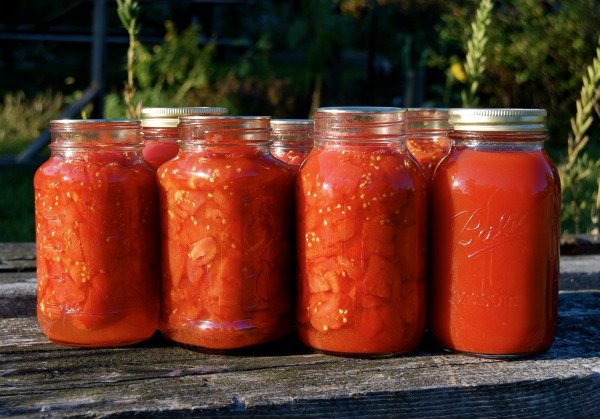
You don't necessarily need a lot of start-up dollars to begin a home-based food business. Bootstrapping can work in some cases.
Jill
Beebout of Iowa started a canned food business because of an overly
productive apricot tree. She eventually learned to can foods the proper way for safety and started a business. You may be able to learn canning by contacting your local or regional extension service about becoming a Master Canner. Extension courses are often low-cost and some are free.
----
Whatever
your vision for a home based food business, the article below assumes
you know how to make the food product or products, and it will take you
from step one of starting a food business at home to the point of
receiving that very first paycheck.
First step: Search for and check out the 'cottage food laws' for your own state, along with other legalities
Cottage food laws offer lists of foods that are legal to sell, and lists that are off
limits. Some food items might be able to be sold across state lines, others not. Make sure yours is on the legal list for the market you're aiming for. If not, see if it can be
tweaked in some way to make it legal. For example, if canned apricots are not allowed in your area, check to see if apricot preservers instead are allowed if you make preserves just as well.
Regulations for selling food
(vs. giving it away) must be followed at the federal, state, county and
city levels. If, by now, you understand what you want to produce for
sure and feel you really want to go on with your food business, don't go
any further without making sure the product itself and all other steps will be legal.
Contact
your state, county and local health departments to see what rules apply
to
start a home food business that may not have been included back when you
searched cottage food laws for your state. Ask them about federal
regulations also and where to go for information. If they say your food
product must be
prepared in a certified kitchen, find out what the rules are for such a
kitchen. If it's something simple one of you can do to your own kitchen,
complete this step. If not, find a local church, university or school
that allows you to use their certified kitchen on Saturdays for free or
for a low price. Also contact your county extension service, as they're
sometimes aware of sources of certified kitchens for farmers who want to make food
products from their crops for sale.
Steer your home food business towards the right trends
Unless
you already have a target niche (for example, a local ethnic restaurant
or organization wants you to produce your ethnic recipe for them),
tweak the foods you want to make towards one or more of the following trends, some of which appeal more to one or the other end of the political spectrum: Locavore,
organic/sustainably/regeneratively produced ingredients, artisan foods, hand-crafted, local/regional farms,
heirloom, eco-friendly, all-American traditional foods, exotic recipes with locally grown ingredients, or generational family recipes.
Before you start a home based food business, practice.
I
don’t mean practice making the foods, unless you're working with an unfamiliar certified kitchen and want to make that go smoothly before proceeding. I mean you or you and your group
of friends who are starting this business should practice the business
end itself before jumping in. This may sound needless, but it's a time honored first step for
developing a successful home food business. It allows your group to work
out the kinks you don't yet know you have without the higher tense pressure
once you've become a revenue earning business and your reputation is on
the line.
To
do this, set yourself goals with your food product beyond just making the item when you feel like it and serving it to whom ever happens to show up.
Create pretend “moderate tension” so the food product must be made and delivered
on time. This will cause slightly more tension than none at all (which can lead to procrastination) but not as much tension as it being your first paid gig.
Perhaps
offer to donate a certain amount to a charity bake sale by a specific
date, or, if your home food business will be about shipping foods, mail
some to every family member by a specific date. Notice any kinks in the shipping process. Notice people's
responses, and if you have more than one food product, which ones do
they like the best? Were they delivered on time and in good shape? Tweak your products and delivery based on these experiences.
_______________

Develop a "working" logo, business name and slogan
A
“working” business name means it’s what you think you might call your
home food business, but it’s still in the works and can change. Then
make mock business cards either by hand or on the computer for everyone
involved in the home based food business. Here's a sample logo, business name and slogan: SBC, Sherri's
Best Cookies: Where Desserts are Delicious and Healthy.
By
creating these three upfront -- logo, business name, and slogan -- an energy will begin to form around your
home food business. Carry the pretend business cards around with you in
your wallets, take them out now and then, and allow your intuition to work
on the name and design for a week or so. After a week or two, have a meeting and make changes if
you want.
Write a quick overview
When
you write a business plan for your home based food business, you
discover its strong points as well as the blank spots that need to be
filled in. But it's nice to start with a quick overview first to keep
yourself motivated and better prepare for the actual business plan later. Go
to SCORE.org for their free Quick Start Business Plan and fill it out.
Unlike
traditional business plans, this one is very short and gives your group
a clear, focused snapshot of your future at-home food business. You'll
also sharpen your ideas, and the act of writing it down will access
areas of your brain that can help you succeed. It can help you decide or
make sure, for example, whether your idea of selling to retail stores at a
discount will pay off. If not, you can re-adjust now instead of after
it's too late, and maybe find ways to sell direct to customers for full
retail.
Make sure you’ve considered all possible markets:
How about local personal chefs? Local B&Bs? Even your own roadside stand?
Maybe schools, caterers, farmers’ markets, or flea markets.
Get a personal business coach (for free).
SCORE.org allows you to ask custom
questions, and find and choose an experienced volunteer business coach
who will help you with customized concerns every step of the way when
opening a small business. Find one who has experience in your type, or a
similar type of business. They are in every geographical location in
the country, but you can also correspond online. Along with any
customized questions you have, find out if you should get extra
liability insurance and if you should operate as a
sole proprietorship, an LLC, a
small corporation, or another form of business entity that will protect
you and your assets.
Finalizing your business name
It’s
now time to decide permanently what your home food business
name will
be and to set up the proper business structure under that name (sole prop., LLC, etc.) with help from your business coach. Contact your Chamber of Commerce to see what other local, state
or federal business permits or licenses are required for doing business
under the specific business name and entity. You'll also need to find out what your bank requires for a home food business account. Complete their
requirements using your now permanent business name. If local cottage food laws allowed you to get a permit without the business name, but want to be notified as soon as you have it, be sure to take care of that as well.
Get financing if necessary – but it might not be necessary.
Up until now, there have most likely been some expenses such as for business licenses. For more funding, some
people prefer not to finance with loans. They either find grants or
just start from the bootstraps: They save loose change, hold garage
sales, and embezzle a little of their own grocery
money to pay for permits, any extra insurance they're advised to get
(see below) to sell their first food product. With money from the first
sales they
buy more promotional materials (such as a $6 bumper sticker with the name of their business to place on their car) and ingredients to make and sell a few more than the first time.
But
if you need either legitimate grants or financing, go to SCORE.org's how-to page
and look under financing your business and you'll find how to get loans
and other ways to finance when opening a small business. If you want
formal financing, on that same website, you'll find tutorials for
writing a longer, more detailed business plan which some financing institutions require, and it will help you make
sure the cost of financing will eventually bring in a profitable cash
flow.
Complete your final business print materials and web presence.
With
the help of your business coach, finalize the look of any print (such
as business cards) promotional materials you'll hand out, and set up a
web presence if you don't already have one. If you won't be selling online, you may
simply want a one page low-cost or even free description and contact information for a
web presence. But most businesses need some sort of online profile.
Market your business and begin.
To
start a home food business, unless you plan to sell only online, make
sure you get your marketing materials to all the possible outlets that
apply to your food product or products: Local restaurants, local
B&Bs, personal chefs, caterers, gift basket businesses, event
planners, etc. Then consider getting yourself known by offering your
food item as a prize for a drawing where many people will see it. For
example, work with a non-competing food-related merchant (such as a
kitchen shop) where you can make up a beautiful gift basket full of your
food items and allow people to enter their name in the drawing for
free, or buy a raffle ticket with the money going to a local charity.
Send a press release to the media about this project.
Finally, be both flexible yet consistent as you navigate the ups and downs. And congratulations on contributing to a new nation of micro food producers!
_________________
See also our articles on how farmers find ways to fully protect and insure their farm businesses with sometimes very low (or even free) yearly insurance costs:
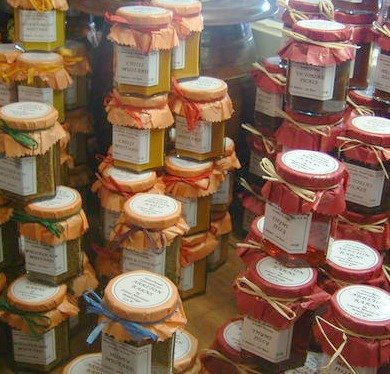
Customizable labels for your farm grown food product - Beautiful artisan designs, or start from scratch!
You may also be interested in:
Starting a Farmers Market or Roadside Stand